
- By BitSeed
- Smart Hardware
- 28 Oct
What are the Technical Challenges in Developing Touchscreen Smart Speakers
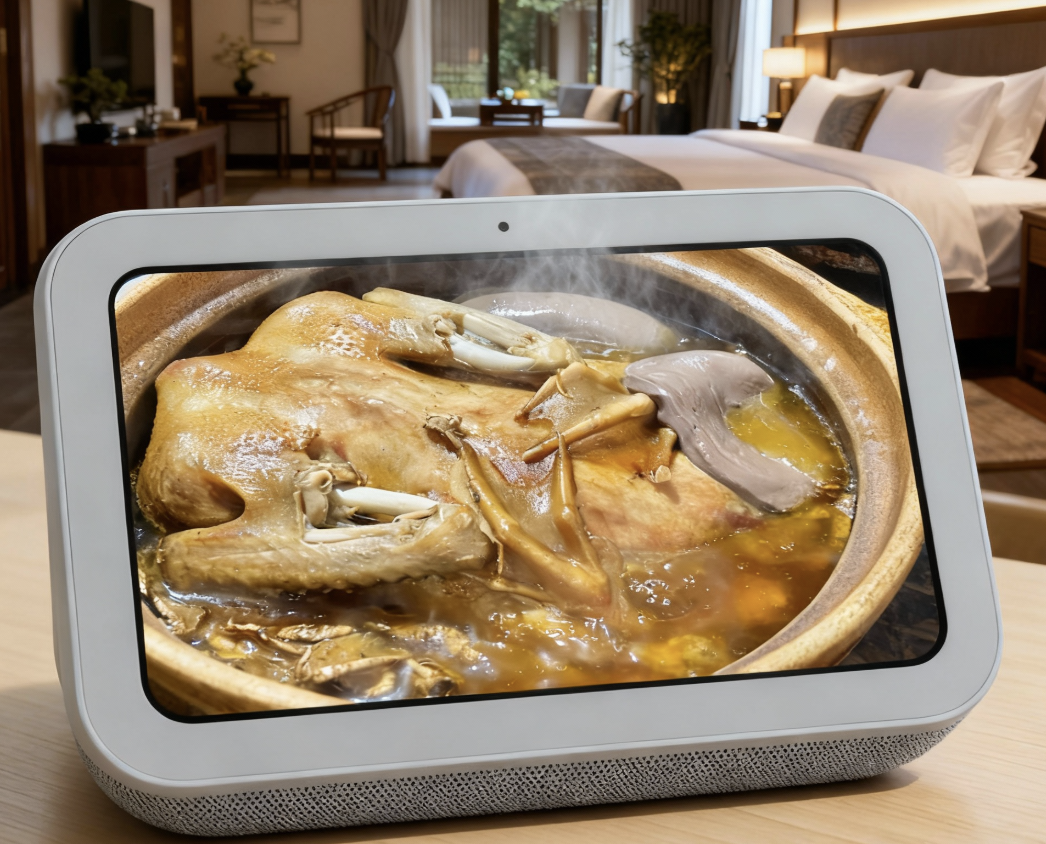
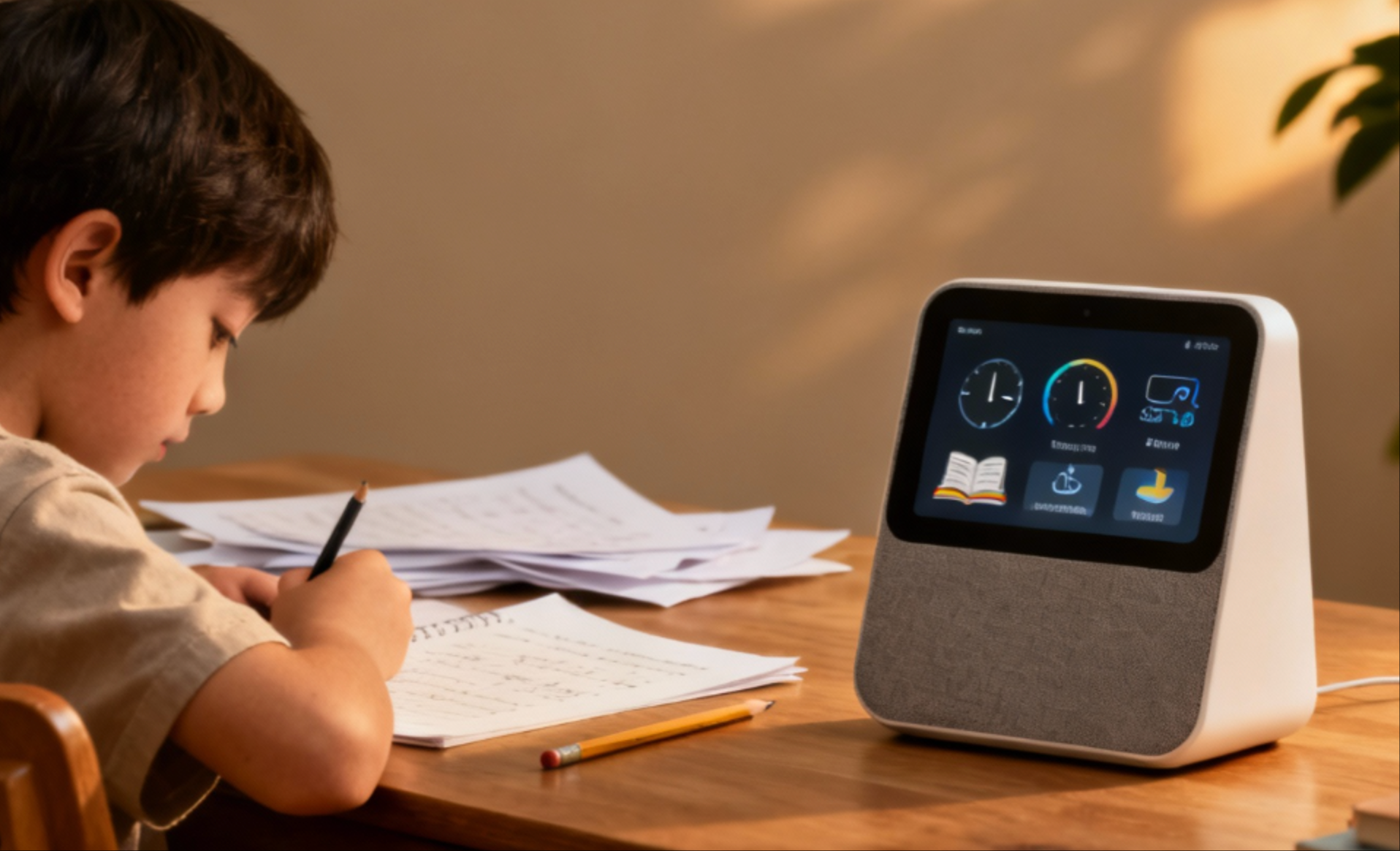
As an important form of AI voice interaction terminal, touchscreen smart speakers are no longer simple music playback devices, but integrated multi-functional products combining voice interaction, visual presentation, and smart home control. However, during the development process, product teams need to overcome a series of technical challenges to achieve a smooth and stable user experience. From hardware integration to software optimization, every link tests manufacturers' technical capabilities and in-depth understanding of usage scenarios.
Hardware Integration: Balancing Structure, Heat Dissipation, and Power Consumption
The hardware design of touchscreen smart speakers first faces the contradiction of structural space. Within a limited cavity, multiple components such as screens, speakers, microphone arrays, motherboards, and batteries need to be accommodated, requiring ID design teams to achieve optimal layout in compact spaces. For example, after adding a 4700mAh battery, the Redmi Xiaoai Touchscreen Speaker Pro 8-inch still needs to balance portability and internal space utilization through a handle design. Heat dissipation becomes a subsequent challenge—high-performance processors (such as MT8167) generate significant heat when running video calls or multimedia playback, and the enclosed speaker cavity tends to accumulate heat, which may cause screen color distortion or processor throttling. Power consumption balance is another major difficulty: screen-equipped devices have significantly higher power consumption than voice-only speakers, yet users expect mobility. Midea's Xiaomei AI Touchscreen Speaker enables mobile use in certain scenarios with a built-in 2500mAh battery, but balancing battery life with screen brightness and processor performance requires sophisticated power management strategies.
Experience Design for Voice Interaction and Screen Collaboration
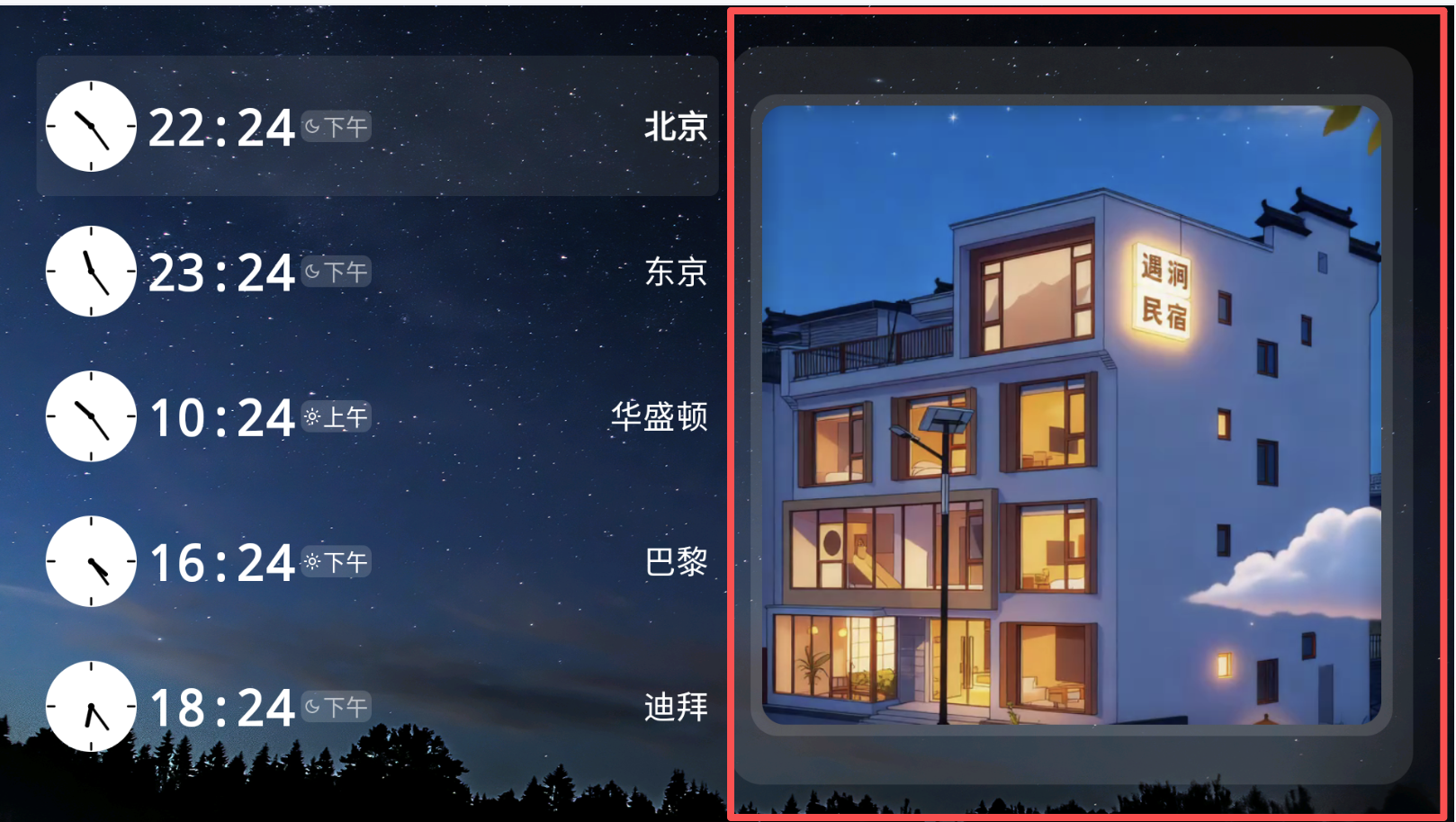
The essence of touchscreen smart speakers is multimodal interaction, but the collaboration between voice and touchscreen is not a simple addition. In far-field voice interaction, microphone arrays need to overcome high-frequency interference from screen circuits to maintain high recognition rates in noisy home environments. The design team of Xiaoai Touchscreen Speaker discovered that when a screen is present, microphone placement must avoid electromagnetic sensitive areas, and algorithmic noise reduction is used to improve signal-to-noise ratio. In terms of interaction logic, the functional division between voice and touchscreen needs clear definition. For example, switching songs via voice commands is more convenient than touch, but browsing lyrics requires relying on the screen. Interface design must also accommodate both near and far-field use: at distances over 1 meter, font size and contrast need to enable quick recognition (color contrast ratio should exceed 5.0), while closer operation requires richer touch options. Xiaomi's practice shows that distinguishing font sizes and weights between VUI (Voice User Interface) and GUI (Graphical User Interface) can adapt to reading needs at different distances.
Contradictions Between Screen Adaptation and Performance Optimization
The introduction of screens significantly increases hardware costs and software complexity. Resolution adaptation is the primary issue: on 7-8 inch screens, 1024×600 resolution meets basic needs but tends to show graininess during HD video playback. Performance optimization is even more critical—low-end processors struggle to support HD video decoding and multitasking, with early products often experiencing lag when running video applications. Additionally, storage space limitations affect functional expansion: 8GB ROM leaves limited remaining space after system occupation, preventing installation of numerous applications. The Redmi team alleviated performance pressure by customizing the MIUI for Pad system and optimizing audio processing and interface rendering in separate layers. On the other hand, the addition of screens raises user expectations for smoothness, making 2GB RAM and tablet-grade processors (such as MT8167) the baseline for ensuring smooth interaction.
Technical Integration of Multimodal Interaction
Touchscreen smart speakers must simultaneously process multiple signals including voice, vision, and touch, placing higher demands on underlying architecture. Voice recognition needs to adapt to the continuity of screen-equipped scenarios—for instance, Xiaodu Speaker's

 28 Oct, 2025