
- By BitSeed
- Smart Hardware
- 28 Oct
In-depth Analysis of Smart Speaker Communication Protocols: How MQTT Becomes the...
In-depth Analysis of Smart Speaker Communication Protocols: How MQTT Becomes the Cornerstone of Communication in the IoT Era
The choice of communication protocol behind smart speakers directly determines the smoothness of user experience and the reliability of device connections. In the smart home ecosystem, communication protocols act like an invisible language, enabling different devices to understand each other and work collaboratively. Market data shows that over 75% of smart home devices use wireless communication protocols for connectivity, and the MQTT protocol, with its lightweight and low-power characteristics, has become the de facto standard for IoT device communication.
The full name of the MQTT protocol is Message Queuing Telemetry Transport. It is a messaging protocol based on the publish/subscribe paradigm, operating on top of the TCP/IP protocol. This protocol was originally designed by IBM engineers in 1999 to solve the problem of transmitting data from oil pipeline sensors via satellite links, facing extreme environments with a bandwidth of only 300bps and delays up to several seconds. Compared to the overhead of traditional HTTP protocols with headers exceeding 200 bytes, MQTT requires only 2 bytes for the smallest message, making its extremely lightweight design ideal for resource-constrained IoT devices.
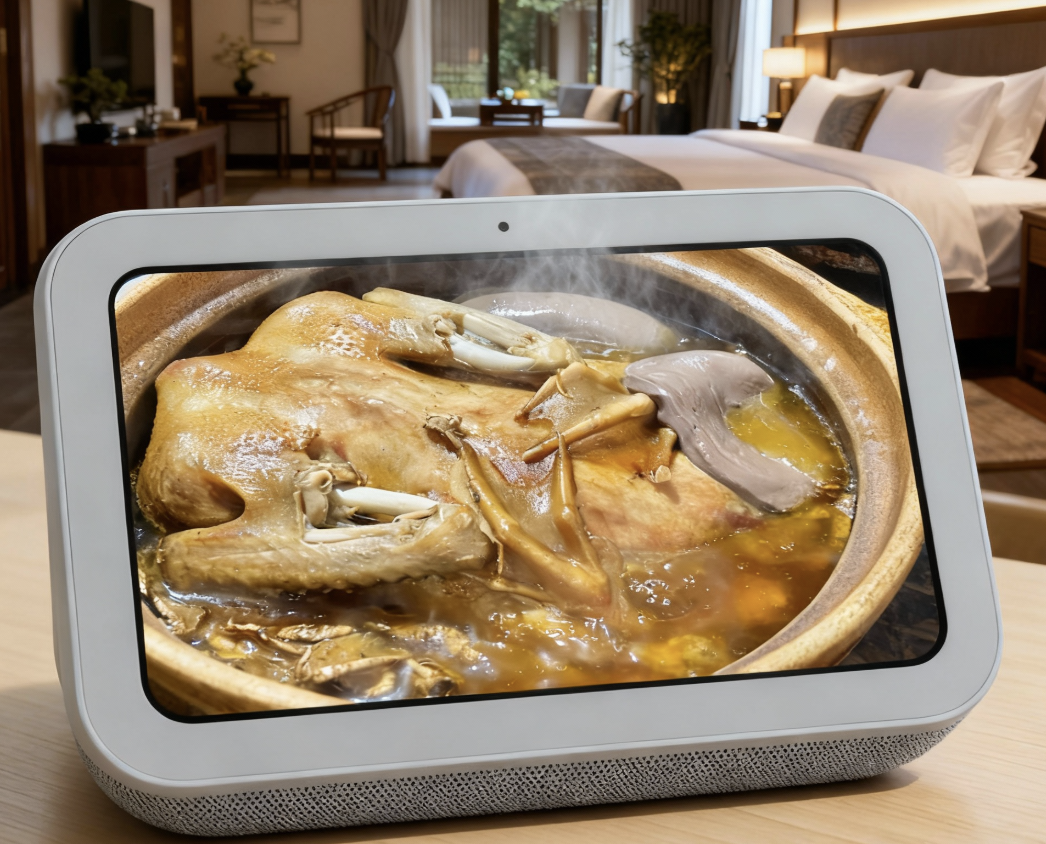
The core of the MQTT protocol architecture lies in the publish/subscribe model, which decouples message producers and consumers through a Broker (proxy server). In smart home scenarios, the smart speaker acts as a message publisher, publishing commands like "turn on the living room lights" to a specific Topic, while smart bulbs subscribe to that Topic, receive commands through the Broker, and execute operations. This design achieves three major advantages: spatial decoupling (devices don't need to know each other's IP addresses), temporal decoupling (supporting asynchronous communication), and dynamic scalability (supporting millions of device connections). In actual hotel room scenarios, this architecture allows room smart terminals to communicate with multiple devices simultaneously without increasing system complexity.
MQTT's Quality of Service (QoS) levels provide flexibility for different scenarios. QoS 0 offers at-most-once delivery, suitable for environmental monitoring where data loss is tolerable; QoS 1 ensures at-least-once delivery, ideal for scenarios like smart lock control that require guaranteed execution; and QoS 2 achieves exactly-once delivery through a more complex handshake process, meeting zero-fault tolerance requirements such as financial transaction instructions. In educational training scenarios, smart speakers can transmit teaching instructions via QoS 1, balancing reliability and real-time requirements. This refined QoS control is unmatched by other communication protocols.
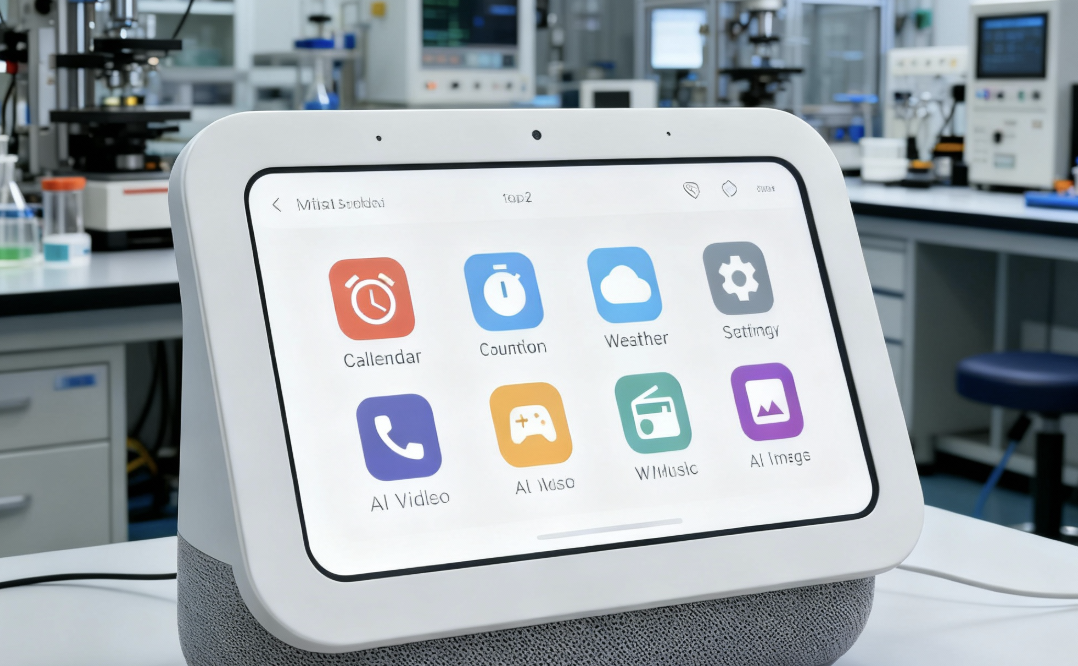
Data exchange between smart speakers and cloud services heavily relies on the MQTT protocol. For example, when a user queries the weather via voice command, the speaker sends voice data packets to the cloud AI processing service through MQTT and then receives the results back. During this interaction, MQTT's lightweight nature significantly reduces bandwidth usage, allowing response times to be controlled within milliseconds. In practical applications, the DuerOS platform of a certain smart speaker adopts an MQTT-like asynchronous communication mechanism to handle smart home control commands, achieving efficient communication through carefully designed Header and Payload structures.
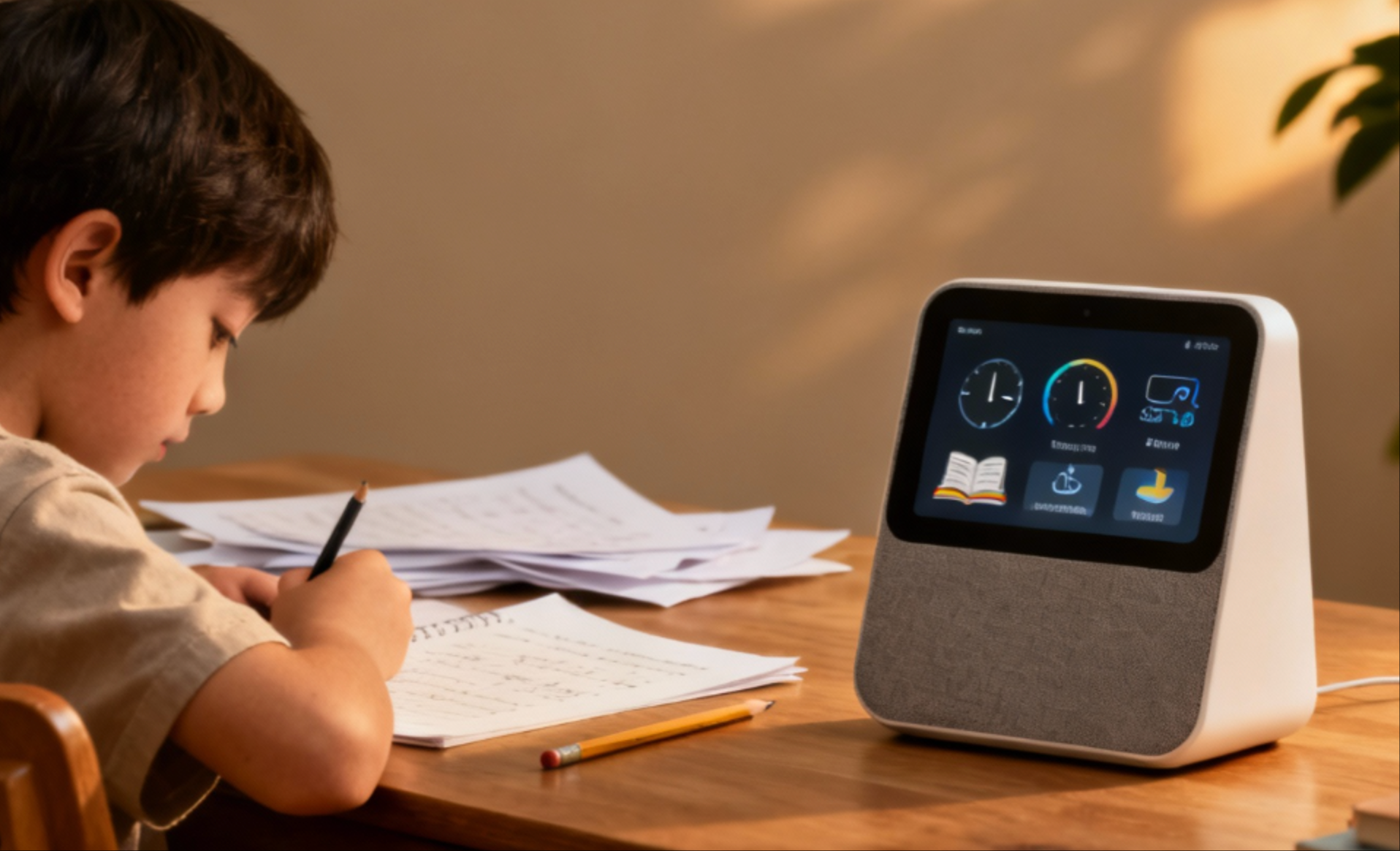
The security mechanisms of the MQTT protocol also deserve attention. All MQTT over TLS connections use AES-256 encryption to ensure data confidentiality during public network transmission. Client authentication supports multiple methods such as username/password, X.509 certificates, and dynamic tokens, while topic-level ACLs provide fine-grained access control. In youth AI learning scenarios, this security mechanism can protect user privacy and prevent unauthorized access.
In terms of performance optimization, the Session Expiry Interval feature introduced in MQTT 5.0 allows devices to reuse the original session when reconnecting within a certain period after disconnection, avoiding the overhead of repeated authentication. Additionally, using Protocol Buffers encoding for JSON-format sensor data can reduce the size by more than 60%. These optimizations are particularly important for hotel scenarios that need to handle multiple room smart terminals simultaneously, significantly reducing server load.
With the development of AIoT technology, the MQTT protocol is deeply integrating with edge computing. In smart factory scenarios, MQTT Brokers can integrate rule engines to实现 real-time alerts for abnormal data; in the autonomous driving field, vehicles exchange road condition information directly via MQTT. This evolutionary direction lays the foundation for the application of smart speakers in more complex scenarios, such as multi-device collaborative management in future hotel rooms.
The choice of communication protocol for smart speakers is far more than a simple comparison of technical parameters; it reflects an in-depth understanding of actual application scenarios. The MQTT protocol solves the core challenges of IoT communication through its minimalist design, finding a balance between resource constraints and functional requirements. With the popularization of 5G and AIoT technologies, this lightweight, low-power communication protocol will continue to empower smart speakers, enabling them to deliver greater value in smart homes, hotel scenarios, and educational fields. The true technical essence lies in the understanding and optimization of these fundamental protocols.
 28 Oct, 2025